
Design tokenomics and write white paper
Tokenomics refers to the economic principles and incentive structures underlying a cryptocurrency or blockchain project. A tokenomics white paper serves as a comprehensive guide that outlines the key details about a project’s token economics. Understanding tokenomics is crucial for evaluating the viability and long-term sustainability of any crypto or blockchain venture. This guide aims to explain the essential components of a tokenomics white paper in a clear, accessible manner. Token Supply and Distribution Token Supply and Distribution Mechanisms
Read article →
Exploring Industrial IOT with blockchain and ai
Industrial IoT Applications Overview The Internet of Things (IoT) has revolutionized the way we live and work. In the industrial sector, IoT applications have become crucial for improving efficiency, productivity, and safety. This blog post aims to provide an overview of industrial IoT applications and their benefits. What is Industrial IoT? Industrial IoT, also known as IIoT, refers to the use of interconnected devices, sensors, and software in industrial settings to collect and exchange data. This data is then analyzed to optimize processes, predict maintenance needs, and enhance overall operations.
Read article →
What is Polygon Layer 2 Network
What is Polygon Layer 2 Network You know how Ethereum can get really slow and expensive to use sometimes? That’s because the main Ethereum blockchain can only process so many transactions at once before it gets congested. But there’s a cool solution to this problem called Layer 2 networks! A Layer 2 is like a side highway that runs parallel to the main Ethereum road. It allows you to bypass the traffic jams on Ethereum and get your transactions processed way faster and cheaper. One of the most popular Layer 2 networks out there is called Polygon.
Read article →
Overview of blockchain Layer 2 solutions and pricing
What is Layer 2 Hey there! Let me tell you about Layer 2 in a super simple way. Layer 2 solutions are like a smart shortcut for blockchain networks. You know how sometimes the main roads get really congested and slow? Well, Layer 2 is like a side street that helps speed things up! The main benefit of Layer 2 is that it allows for way more transactions to happen at once, without getting stuck in traffic jams. It’s like having a express lane that lets you zoom past the gridlock. And the best part? The fees for using these Layer 2 shortcuts are much lower than the main road. Saving money is always a win!
Read article →
KYC Providers and pricing - which one to choose
KYC Providers Review: Top 10 KYC Projects Hey there! Let’s talk about KYC (Know Your Customer) providers and what the top dogs are in this space. First off, KYC is super important for any business dealing with money, especially in crypto and finance. It helps verify the identities of customers to prevent fraud, money laundering, and other nasty stuff. Basically, it keeps things legit and above board. So how did I pick the top 10 KYC projects? Well, I looked at a few key factors:
Read article →
Deep dive into Microsoft Entra Verified ID for Web3 Developers
Decentralized Identity with Entra Verified ID 1. Introduction to Decentralized Identity In a nutshell, decentralized identity is all about giving you, the individual, control over your personal information. Instead of your data being stored in one big database, it’s spread out across different places, and you decide who gets to see what. This means you have more privacy and security because there’s no single point of failure for hackers to attack. Pretty neat, huh?
Read article →
Microsoft Web3 Services for Developers
In the rapidly evolving landscape of Web3, developers are continuously seeking robust, scalable, and secure solutions to build the next generation of decentralized applications (dApps). Microsoft has swiftly positioned itself as a pivotal player in this arena, offering a suite of cutting-edge tools and services tailored specifically for Web3 developers. This document delves into Microsoft’s comprehensive offerings, highlighting how they can empower developers to innovate and excel in this new digital frontier.
Read article →
TON Ecosystem Review
Introduction to TON (The Open Network) The Open Network, commonly abbreviated as TON, is a decentralized blockchain platform that aims to provide a scalable and efficient infrastructure for a variety of applications. TON was designed to address some of the inherent limitations of existing blockchain technologies, such as scalability, speed, and cost efficiency. By leveraging advanced technologies and innovative protocols, TON seeks to create a robust ecosystem that supports decentralized applications (dApps), smart contracts, and a wide array of other blockchain-based solutions.
Read article →
How blockchain can provide ecosystem for incentivize Autonomous AI Agents
How blockchain can provide ecosystem for incentivize Autonomous AI Agents What are Autonomous AI Agents Definition and Characteristics of Autonomous AI Agents Autonomous AI agents are sophisticated systems designed to operate independently, making decisions and performing tasks without human intervention. These agents leverage advanced algorithms, often involving elements of machine learning and deep learning, to analyze data, adapt to new information, and execute actions based on their programming and learned experiences. Key characteristics of autonomous AI agents include self-learning capabilities, adaptability, decision-making autonomy, and the ability to operate in dynamic environments.
Read article →
Entering the DeFi space with Uniswap
Entering the DeFi space and distributing your token using Uniswap can be a game-changer for your business. DeFi, or Decentralized Finance, is a rapidly growing sector using blockchain technology to recreate traditional financial services in a decentralized way. Uniswap, a decentralized exchange, lets users trade tokens and provide liquidity without a central authority. This guide will give you an overview of how to integrate your token with Uniswap, covering both the technical and strategic steps.
Read article →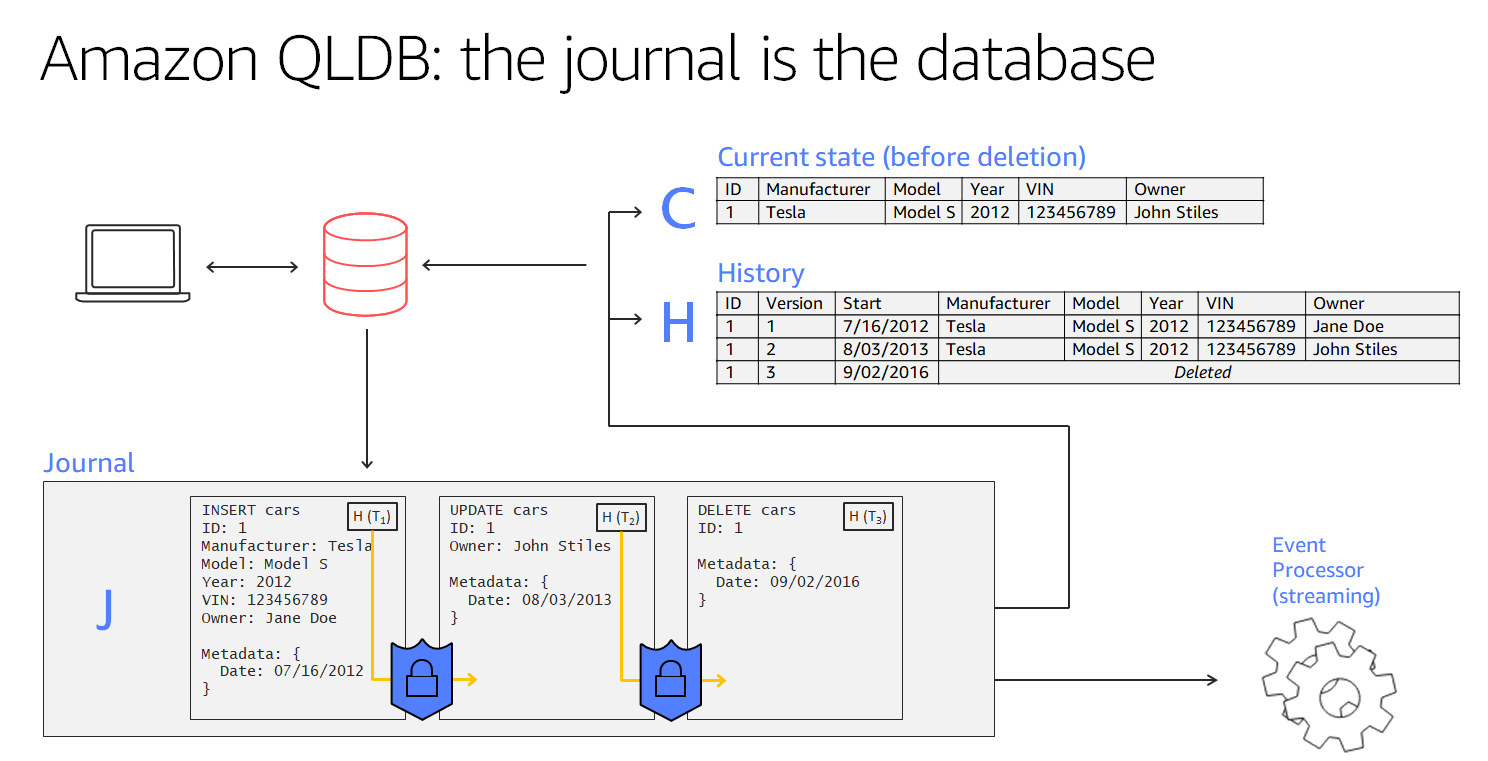
Exploring AWS Quantum Ledger Database: Concepts, Use Cases, and Comparison with Blockchain
Introduction ⚠️ END of lifer: Be very careful AWS QLDB is end of life anounced ! In the realm of distributed ledger technologies, AWS Quantum Ledger Database (QLDB) emerges as a promising solution bridging the gap between traditional databases and blockchain. This article delves deep into the concepts, use cases, and comparative analysis of QLDB with blockchain technology. Main Concepts of QLDB Immutable Journal QLDB maintains an immutable journal of all transactions, akin to blockchain’s immutable ledger. Each transaction is cryptographically hashed and sequentially recorded, ensuring tamper-proof data integrity.
Read article →
Dubai - Regulating Virtual Assets
Intro Dubai, the land of sky-high ambitions and glittering gold, is now setting its sights on a new frontier: the wild west of virtual assets (VAs) and tokenization. Buckle up, crypto cowboys and NFT nomads, because this emirate is aiming to become a blockchain oasis amidst the regulatory sand dunes. But before we dive in, let’s unpack the lingo with a punny twist: Virtual Assets: Think of them as the Aladdin’s lamps of the digital world, holding value and granting wishes (like buying that limited-edition Bored Ape). Tokenization: Imagine chopping up a magic carpet into tiny squares, each representing a piece of ownership. That’s tokenization, folks! Now, Dubai’s approach to this virtual El Dorado is as smooth as a genie’s magic (with some regulatory safeguards, of course). Here’s the treasure map:
Read article →
Navigating the Future: Supply Chain in 2024 is powered by Blockchain
Intro According to a recent report by PwC, the global supply chain blockchain market is expected to grow by 32% in 2024, reaching $8.6 billion link. The report also predicts that the top three sectors that will adopt supply chain blockchain are finance, healthcare, and supply chain. The report also identifies the top three challenges to supply chain blockchain adoption, which are interoperability, regulation, and talent. The intersection of blockchain technology and supply chain management has been a transformative force, offering unprecedented levels of transparency, efficiency, and traceability. As we gaze into the future of 2024, we anticipate a continued evolution of supply chain blockchain solutions, driven by technological advancements, industry collaborations, and the ever-growing need for resilient and transparent supply chains.
Read article →
Technology predictions for 2024 - year of AI adoption
AI adoption intro AI adoption is the process of integrating artificial intelligence technologies into various domains and applications, such as healthcare, education, business, entertainment, and more. AI adoption can bring many benefits, such as improving efficiency, accuracy, innovation, and customer satisfaction. However, AI adoption also faces many challenges, such as ethical, social, legal, and technical issues, as well as the need for human oversight, collaboration, and education. According to a recent report by Gartner, the global AI adoption rate is expected to grow by 25% in 2024, reaching 75% of all enterprises. The report also predicts that the top three drivers of AI adoption will be customer experience, revenue growth, and cost optimization. The report also identifies the top three barriers to AI adoption, which are skills gap, data quality, and governance.
Read article →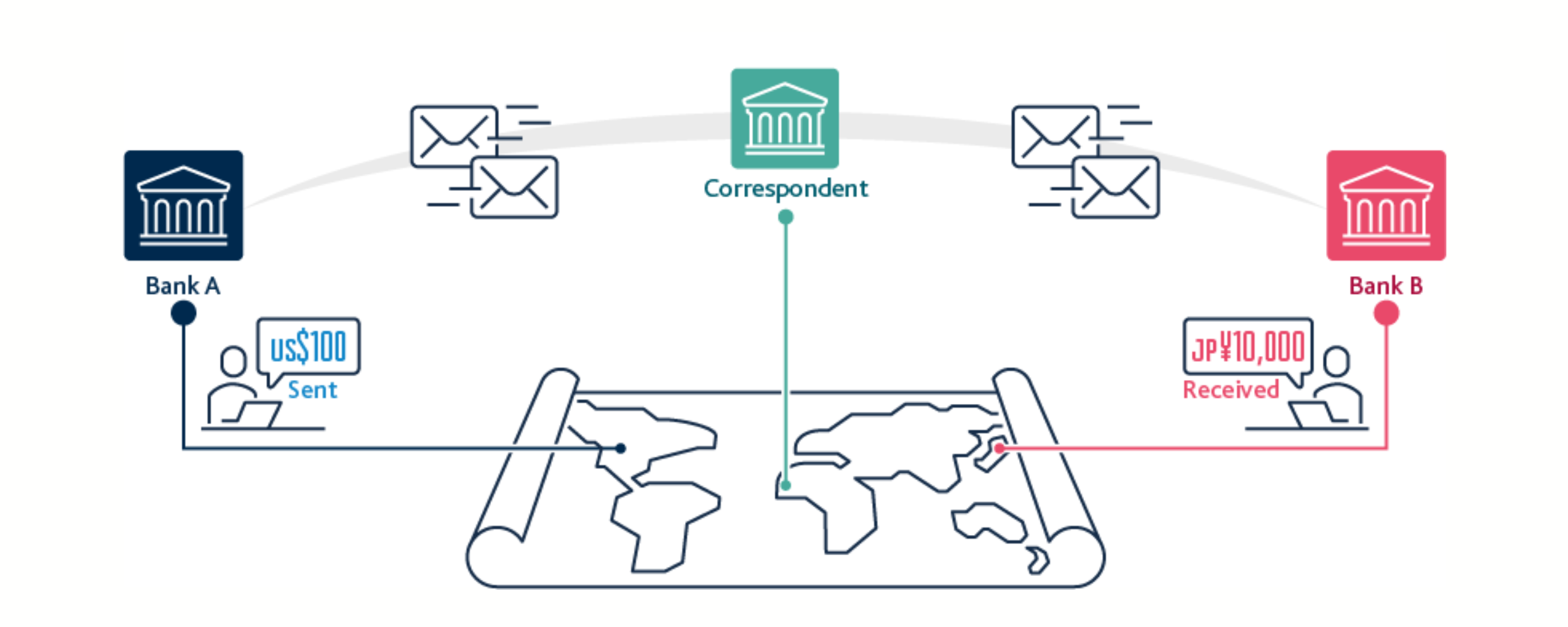
Transforming Cross-Border Payments with Blockchain Technology
Intro Cross-border payments have long been plagued by inefficiencies, high costs, and delays. Traditional international money transfers involve multiple intermediaries, complex settlement processes, and often take several days to complete. However, the emergence of blockchain technology is poised to revolutionize this landscape, offering transparency, security, and efficiency to cross-border transactions. In this article, we explore how blockchain is reshaping the world of cross-border payments and the benefits it brings to banks, financial institutions, businesses, and individuals.
Read article →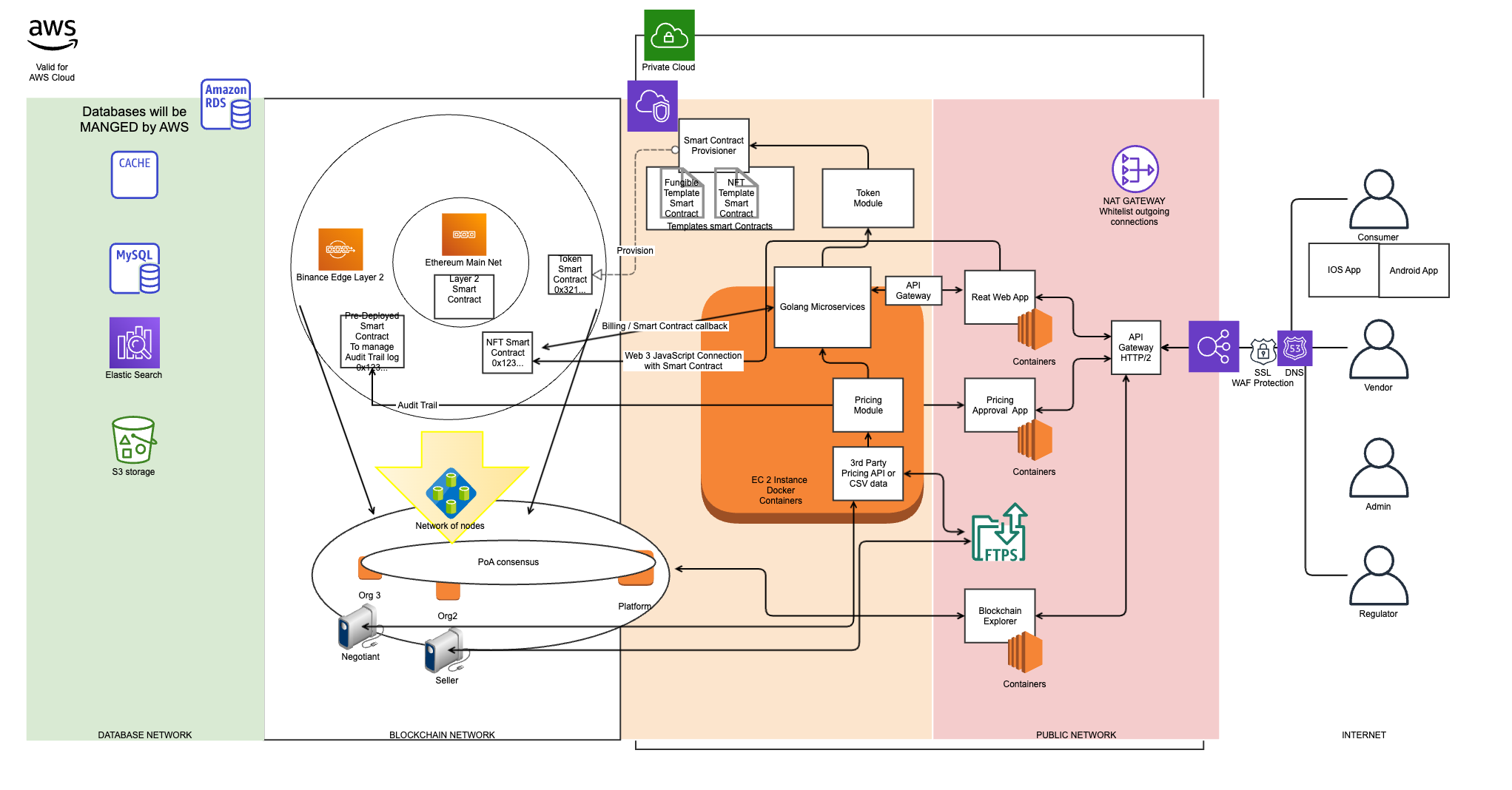
Blockchain - The Architecture of Asset Tokenization
Intro Asset tokenization has emerged as a transformative concept that revolutionizes the way we perceive and interact with traditional assets. By converting real-world assets into digital tokens, tokenization enables fractional ownership, enhances liquidity, and opens up new avenues for investment. This article provides an in-depth exploration of the architecture underlying asset tokenization platforms, elucidating the key components and their interconnections. Through this comprehensive analysis, we aim to shed light on the technological infrastructure that powers the seamless tokenization of assets and facilitates the growth of a digital ownership economy.
Read article →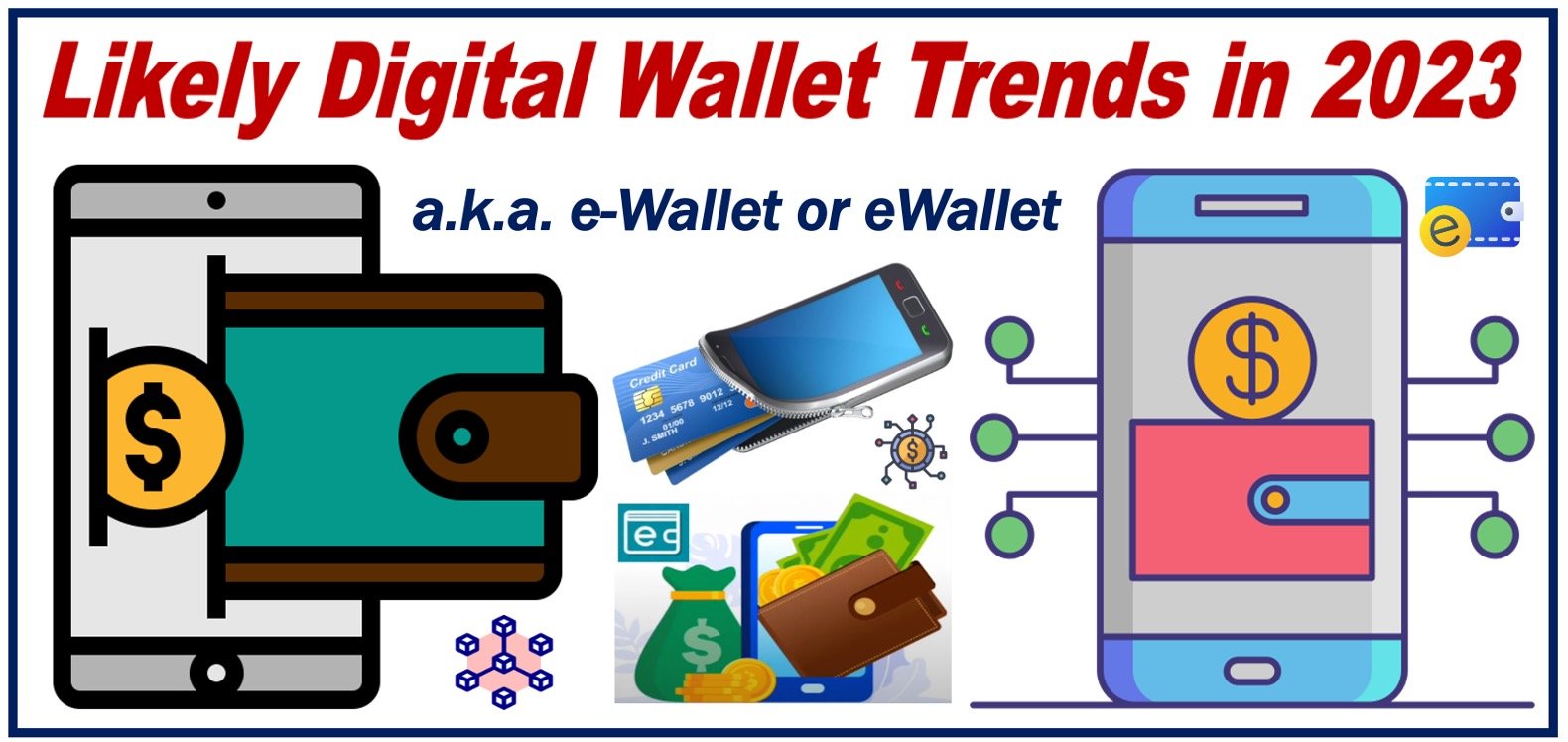
Blockchain Digital Wallets: A Comprehensive Guide to Building Your Own Wallet
Intro However, while they may appear technically simple, building your own blockchain digital wallet equipped with advanced security features provides you the ultimate level of control over your funds and assets. In addition to this, as an open-source protocol, blockchain digitization continually adapts itself around customer needs. This ensures a frictionless customer experience across every transaction and storing platform. Thus blockchain technology will not lose its relevance in the world of cryptocurrencies and DeFi.
Read article →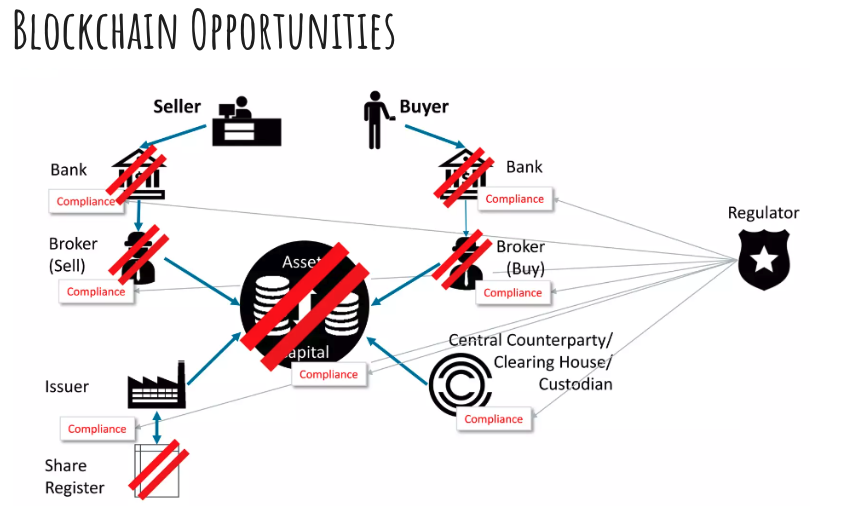
Blockchain - The Rise of Asset Tokenization
Intro Asset tokenization has become a transformational force in recent years, altering how we view and use conventional assets. This cutting-edge technology, which is supported by blockchain and smart contracts, has the ability to expand accessibility, release liquidity, and completely transform the landscape of asset ownership and investing. Asset tokenization holds the promise of democratizing investments and creating new pathways for financial inclusion for anything from real estate and fine art to equities and commodities. We will go further into the world of asset tokenization in this extensive post, examining its definition, advantages, difficulties, and potential future.
Read article →
Introduction to Zero Knowledge Proofs
What are zero knowledge proofs? A zero-knowledge proof is a way for one person (the prover) to prove to another person (the verifier) that they know something without revealing any additional information about it. It’s like a magic trick, but with math instead of rabbits and top hats. Zero knowledge proofs (ZKP) are a type of cryptographic protocol that allows one party (the prover) to demonstrate to another party (the verifier) that a certain statement is true, without revealing any additional information beyond the truth of that statement. In other words, a zero knowledge proof allows one party to prove to another party that they know a certain secret, without revealing the secret itself.
Read article →
Anyone could get 45 bitcoins without knowing private key
Intro For several weeks I tried to play around bitcoin script. Yes, this may be news to you but bitcoin have a scripting language that acts as a very simple smart contract. This is an interesting topic because it reveals the internals of Bitcoin. What you should know is that bitcoins script is a scripting system for transactions. Forth-like, Script is simple, stack-based, and processed from left to right. It is intentionally not Turing-complete, with no loops.
Read article →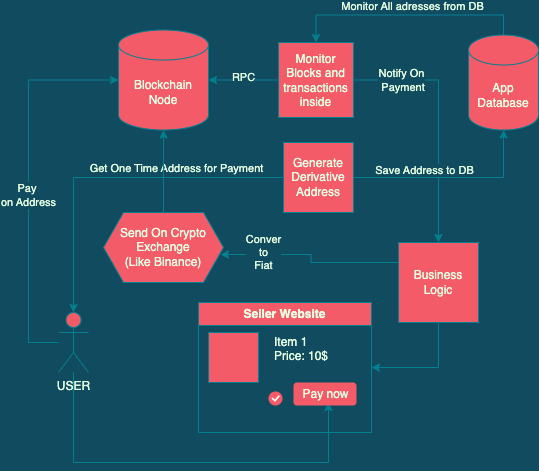
Crypto billing system, Monitoring transactions and derrive addresses in Rust for Bitcoin, Ethereum, Solana and Polkadot
Intro Great weekend for great research followup. This article is about how to implement billing system different crypto currencies using Rust pogramming language. Before getting deeper into the details of implementation o would like to define what is standing under the term “billing system” for crypto currencies. Crypto Billing system is a software that us used to organize crypto payments in your organization. It is designed to create derevative addresses (one time payment addresses) and monitor incoming transactions executing business logic for your organization. Typically the scenario could be the following:
Read article →
Full token standrads for blockchain
Intro I collected of all token related standards proposed for the Ethereum network. This list can be used as note to recap and used during architecturing of the blockchain software. This list can be used compile solutions based on standards, many of the standards proposed by Ethereum developers and community and already have been implemented in Solidity. List of Ethereum Tokens Standards ERC-20 : Standard Fungible Token (EIP-20) Standard API for fungible tokens, including transfer and balance tracking functionalities.
Read article →
Solana SPL tokens
Intro I was interested how Solana blockchain is structured. Basically how to create own ERC20 and ERC721 token analog in Solana. My findings show that Solana provides ready to use implementation for Fingible and Nonfingible tokens. Comparing to Ethereum and other blockchain platforms, Solana is more flexible and has more features. Smart Contracts are also available in Solana. I will try to cover all the features of Solana. Solana Programs Smart Contracts in Solana called as Programs. Programs are usually written on C++ or Rust prograaming languages. I will focus on Rust programming language because i want myself to dive deep into Rust language. There not much difference in terms of how Smart contracs deployed on Solana and Ethereum, you will get similair use eperience using platfom tools for deployment on both blockchain networks. However, there are some differences in how programs are written.
Read article →Bitcoin - crearing raw transactions
Intro I was interested on how to write Bitocoin automation and during of implementation of the project I found out that I need to write raw transactions. This looks interesting as it give an overview on bitcoin protocol internals, knowledge on how it works gives possibility to understand deeper the internals. Creating a Raw Transaction This allows you to send money but to craft the transactions as precisely as you want. This first section focuses on a simple one-input, one-output transaction. This sort of transaction isn’t actually that useful, because you’re rarely going to want to send all of your money to one person (unless you’re actually just forwarding it on, such as if you’re moving things from one wallet to another). Thus, we don’t label this section as a way to send money. It’s just a foundational stepping stone to actually sending money with a raw transaction.
Read article →Bitcoin addresses monitoring for incoming transactions
Intro Let’s take a look a specific use-case. If a user is sending bitcoin to my bitcoin address, how can I keep track the status of the transaction, for example, when the user send the coins and when the transaction gets confirmed? The solution is the system will generate a unique address for every user who is trying to send bitcoin. And the system will listen any transactions in the network, which related to this address.
Read article →Game for blockchain presentation in ScienceSoft
Ethereum blockchain roulette implementation using smart contracts and Web3. Prepared for blockchain presentation. This project is a proof of concept of a game for blockchain presentation. The aim is to engage people in the blockchain community and to show how blockchain can be used in a real world application. The game is based on the roulette game. Technologies used: Solidity Ethereum blockchain JavaScript Web3 HTML/CSS To take part in game you will need metamask extension installed. To download it go to Metamask website. Please use Chrome browser.
Read article →