Latest writing
Microsoft Web3 Services for Developers
In the rapidly evolving landscape of Web3, developers are continuously seeking robust, scalable, and secure solutions to build the next generation of decentralized applications (dApps). Microsoft has swiftly positioned itself as a pivotal player in this arena, offering a suite of cutting-edge tools and services tailored specifically for Web3 developers. This document delves into Microsoft’s comprehensive offerings, highlighting how they can empower developers to innovate and excel in this new digital frontier.
Read article →
TON Ecosystem Review
Introduction to TON (The Open Network) The Open Network, commonly abbreviated as TON, is a decentralized blockchain platform that aims to provide a scalable and efficient infrastructure for a variety of applications. TON was designed to address some of the inherent limitations of existing blockchain technologies, such as scalability, speed, and cost efficiency. By leveraging advanced technologies and innovative protocols, TON seeks to create a robust ecosystem that supports decentralized applications (dApps), smart contracts, and a wide array of other blockchain-based solutions.
Read article →
How blockchain can provide ecosystem for incentivize Autonomous AI Agents
How blockchain can provide ecosystem for incentivize Autonomous AI Agents What are Autonomous AI Agents Definition and Characteristics of Autonomous AI Agents Autonomous AI agents are sophisticated systems designed to operate independently, making decisions and performing tasks without human intervention. These agents leverage advanced algorithms, often involving elements of machine learning and deep learning, to analyze data, adapt to new information, and execute actions based on their programming and learned experiences. Key characteristics of autonomous AI agents include self-learning capabilities, adaptability, decision-making autonomy, and the ability to operate in dynamic environments.
Read article →
Entering the DeFi space with Uniswap
Entering the DeFi space and distributing your token using Uniswap can be a game-changer for your business. DeFi, or Decentralized Finance, is a rapidly growing sector using blockchain technology to recreate traditional financial services in a decentralized way. Uniswap, a decentralized exchange, lets users trade tokens and provide liquidity without a central authority. This guide will give you an overview of how to integrate your token with Uniswap, covering both the technical and strategic steps.
Read article →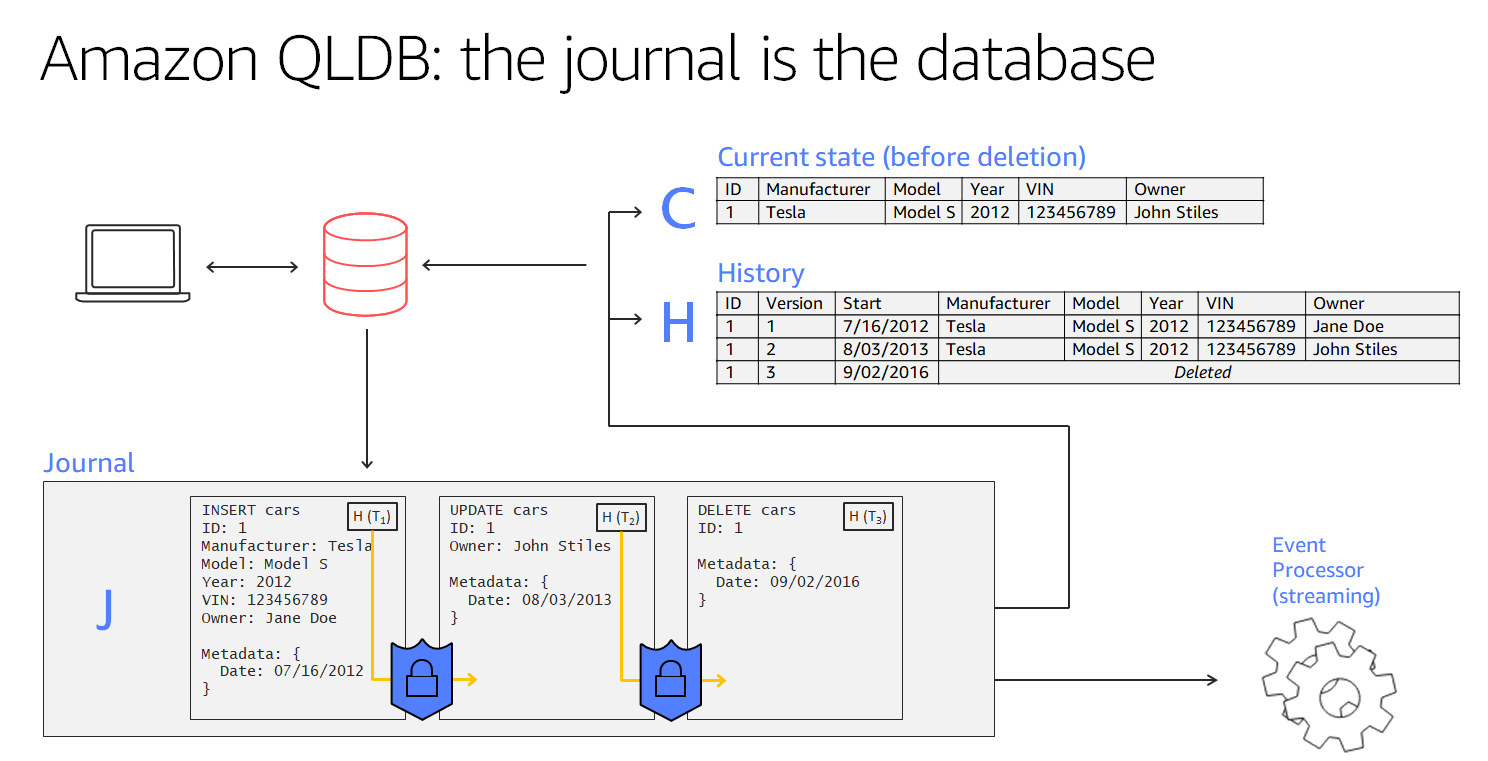
Exploring AWS Quantum Ledger Database: Concepts, Use Cases, and Comparison with Blockchain
Introduction ⚠️ END of lifer: Be very careful AWS QLDB is end of life anounced ! In the realm of distributed ledger technologies, AWS Quantum Ledger Database (QLDB) emerges as a promising solution bridging the gap between traditional databases and blockchain. This article delves deep into the concepts, use cases, and comparative analysis of QLDB with blockchain technology. Main Concepts of QLDB Immutable Journal QLDB maintains an immutable journal of all transactions, akin to blockchain’s immutable ledger. Each transaction is cryptographically hashed and sequentially recorded, ensuring tamper-proof data integrity.
Read article →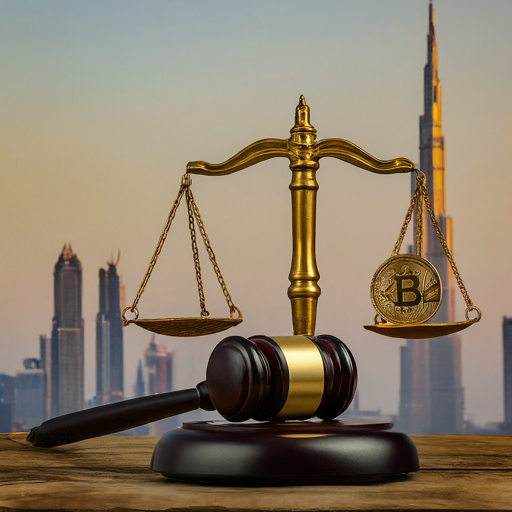
Dubai - Regulating Virtual Assets
Intro Dubai, the land of sky-high ambitions and glittering gold, is now setting its sights on a new frontier: the wild west of virtual assets (VAs) and tokenization. Buckle up, crypto cowboys and NFT nomads, because this emirate is aiming to become a blockchain oasis amidst the regulatory sand dunes. But before we dive in, let’s unpack the lingo with a punny twist: Virtual Assets: Think of them as the Aladdin’s lamps of the digital world, holding value and granting wishes (like buying that limited-edition Bored Ape). Tokenization: Imagine chopping up a magic carpet into tiny squares, each representing a piece of ownership. That’s tokenization, folks! Now, Dubai’s approach to this virtual El Dorado is as smooth as a genie’s magic (with some regulatory safeguards, of course). Here’s the treasure map:
Read article →
Navigating the Future: Supply Chain in 2024 is powered by Blockchain
Intro According to a recent report by PwC, the global supply chain blockchain market is expected to grow by 32% in 2024, reaching $8.6 billion link. The report also predicts that the top three sectors that will adopt supply chain blockchain are finance, healthcare, and supply chain. The report also identifies the top three challenges to supply chain blockchain adoption, which are interoperability, regulation, and talent. The intersection of blockchain technology and supply chain management has been a transformative force, offering unprecedented levels of transparency, efficiency, and traceability. As we gaze into the future of 2024, we anticipate a continued evolution of supply chain blockchain solutions, driven by technological advancements, industry collaborations, and the ever-growing need for resilient and transparent supply chains.
Read article →